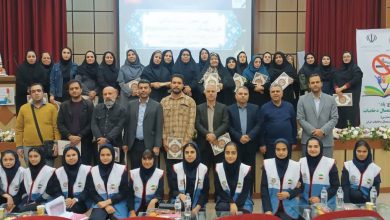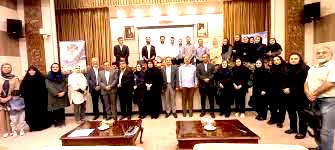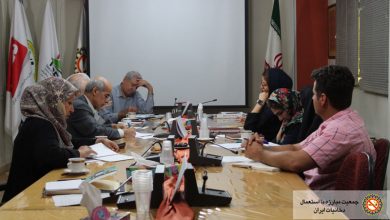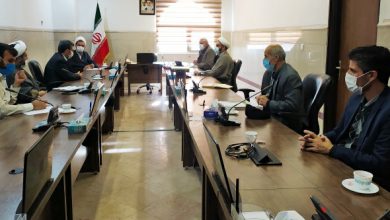
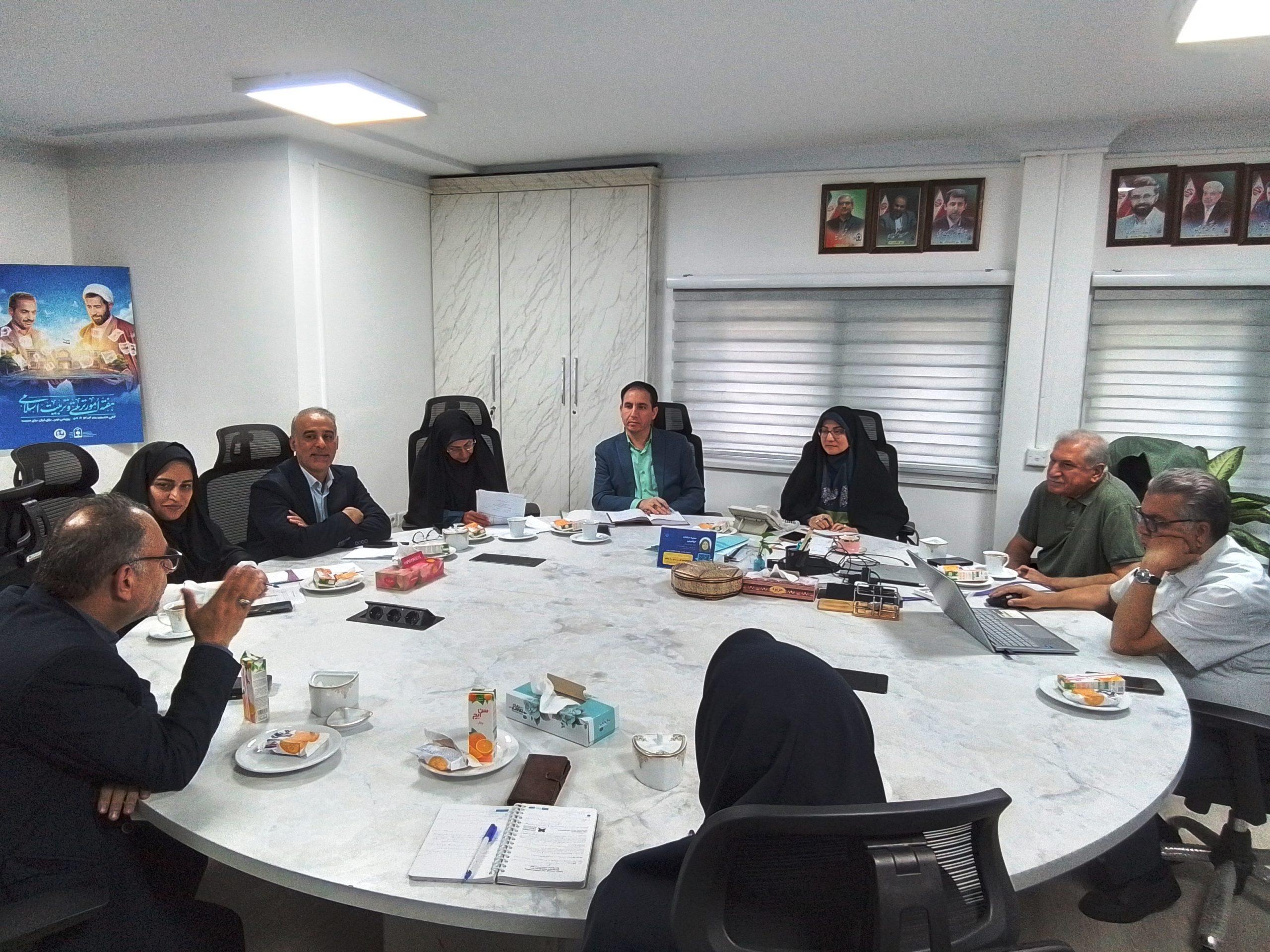
Tehran, Iran — On Saturday, September 12, 2025, a joint session was held between senior officials from the Ministry of Education and the Iranian Anti-Smoking Association (IASA) to evaluate and operationalize the national “Sade PAD” (100 PAD) initiative. The meeting focused on expanding tobacco prevention programs within schools, fostering student agency, and leveraging the comprehensive infrastructure of the Ministry of Education.
Strategic Prevention and Modern Communication
Ms. Somayeh Sadat Ebrahimi, Director General of Educational Affairs, Counseling, and Prevention of Social Harms at the Ministry of Education, highlighted the imperative of the “Sade PAD” initiative. She stated that given the critical role of tobacco prevention in mitigating broader social risks, preventive measures must be pursued with rigorous commitment.
Addressing the evolving landscape of adolescent communication, Ms. Ebrahimi stressed the necessity of “message engineering” and the production of multimedia content. She emphasized that to effectively engage adolescents, educational strategies must employ languages and tools tailored to their specific developmental needs. She further identified the potential of the Ministry’s 738 counseling centers and the “Life Helpers” Clubs (Kanun-e Yari-garan-e Zendegi) as key assets for implementing these programs, noting that the “SHAD” digital platform would be utilized to facilitate instructor training.
Operational Framework and Pilot Implementation
Mr. Norouzi, Deputy for Social Harms at the Ministry, underscored the importance of establishing robust operational infrastructure. He identified key priorities, including reviewing the recorded training content for the PAD instructor program, refining the Memorandum of Understanding (MoU), allocating dedicated funding, and leveraging the SHAD platform. He proposed launching the “Sade PAD” initiative as a pilot project in a specific province—informed by data from the Ministry’s monitoring and surveillance system—before scaling the program based on evaluated outcomes.
The “Whole-of-Society” Prevention Model
Dr. Mohammad Reza Masjedi, Secretary-General of IASA, aligned the “Sade PAD” initiative with the policy packages enacted by the Supreme Council of the Cultural Revolution. Describing the operational model of the PAD program, Dr. Masjedi noted that while the school serves as the central hub for the initiative, sustained efficacy requires the active participation of families, neighborhood mosques, and the wider community.
Citing the successful implementation model in Varamin, Dr. Masjedi emphasized the importance of student agency and activism. “The goal,” he stated, “is to empower students to take ownership of their own health, ensuring that the transformation in tobacco prevention begins at the heart of the education system.”
Evidence-Based Training and Frameworks
Dr. Sharif Turkman-Nejad, Scientific Advisor to IASA, invoked the WHO MPOWER framework to reinforce the pivotal role of schools in tobacco control. He announced the development of a modular “Senior PAD Trainer” certification course, created in collaboration with the School of Education and Medical Technologies at Shahid Beheshti University of Medical Sciences. The course content, consisting of six 15-minute video sessions, will be submitted to the Ministry of Education for review and validation.
Next Steps and Governance
Mr. Hamidreza Shahsavan, Executive Director of the National PAD Initiative, concluded the meeting by calling for the formation of an Executive Working Group. This group will be tasked with continuous follow-up, pedagogical review, and rigorous oversight of protocol implementation. Key immediate actions include the formal notification of “Sade PAD” measures to school principals in target districts and the institutionalization of systematic reporting on program progress.