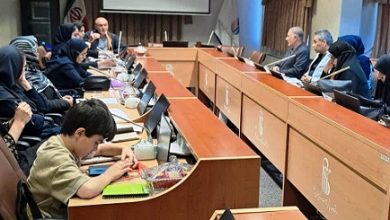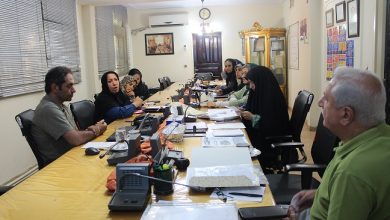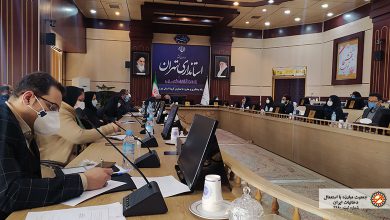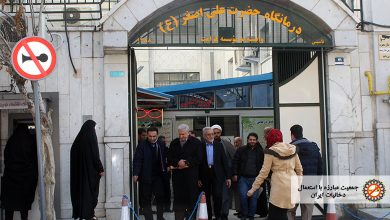
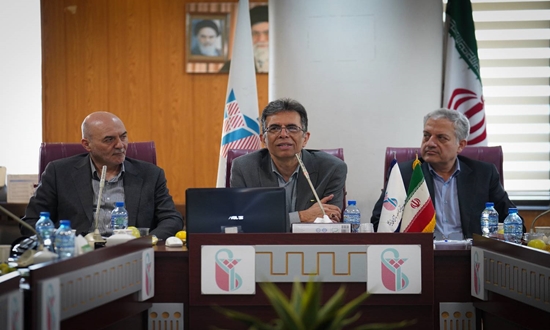
On Sunday, 18 October 2026 (26 Mehr 1405), Fatemeh Azim-Beig, an expert at the Tobacco Control Research Center, represented the Iranian Anti-Tobacco Association at the first joint meeting of health-focused non-governmental organizations (NGOs), the National Charity Network, and Iran University of Medical Sciences. The meeting focused on strengthening intersectoral collaboration, examining the challenges facing health-oriented civil society organizations, and clarifying the role of NGOs in implementing the Family Physician Program and the Social Referral System.
According to the Association’s Public Relations Office, representatives of organizations working in healthcare and charitable services discussed opportunities and barriers to expanding public participation in the health system.
Afshin Farhanchi, Director General of Non-Governmental Organizations and Health Benefactors at the Ministry of Health and Medical Education, outlined plans for implementing the Family Physician Program in the coming year. He stated that the country’s population of approximately 90 million would be covered by family physicians through service areas of 3,000 people each. Midwifery and nursing services would also be provided alongside a three-tier referral system.
Hehttps://iums.ac.ir/ZTb8p further noted that the development of a Social Referral System could facilitate the identification and referral of individuals in need of social support and specialized services to relevant NGOs. He emphasized the importance of preparing NGOs and charitable organizations to participate in the program, recruiting and mobilizing volunteers, expanding their activities in provincial cities and smaller communities, and leveraging the capacities of medical universities to support their work. Farhanchi also highlighted networking and the consolidation of civil society resources as important measures for strengthening the role of NGOs and enhancing their engagement with government institutions.
Saeed Jafari, Director of Non-Governmental Organizations and Health Benefactors at Iran University of Medical Sciences, subsequently outlined the principal challenges facing health-focused organizations. These included administrative and structural barriers, financial constraints, inadequate infrastructure and technology, limitations in access to healthcare support, research-related challenges, networking difficulties, and volunteer management. He stressed the need to remove barriers to cooperation between government bodies and civil society organizations.
Ashkan Taghipour, Director of the National Charity Network, underscored the importance of networking, establishing specialized working groups, and strengthening communication between civil society organizations and government institutions. He identified these measures as effective strategies for advancing shared priorities and fostering greater synergy among organizations.
Rastegar, a member of the Tehran Province Council for the Development and Support of Non-Governmental Organizations, emphasized the importance of transparency and oversight in organizational performance. He also highlighted the need to address the multiplicity of licensing authorities, noting that this issue requires careful expert assessment to develop a comprehensive solution.
The Iranian Anti-Tobacco Association’s participation in the meeting provided an opportunity to engage with other health-focused civil society organizations and explore potential avenues for collaboration in national health initiatives. Greater NGO participation in preventive and health promotion programs can help mobilize the technical expertise, community networks, and social capacities of civil society organizations to improve public health outcomes.
At the conclusion of the meeting, NGO representatives shared their perspectives and concerns regarding the challenges of working in the health sector. Participants emphasized the importance of strengthening intersectoral cooperation, expanding organizational networks, and promoting meaningful public participation in health-related initiatives.