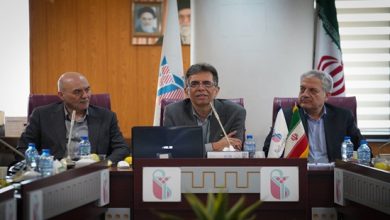
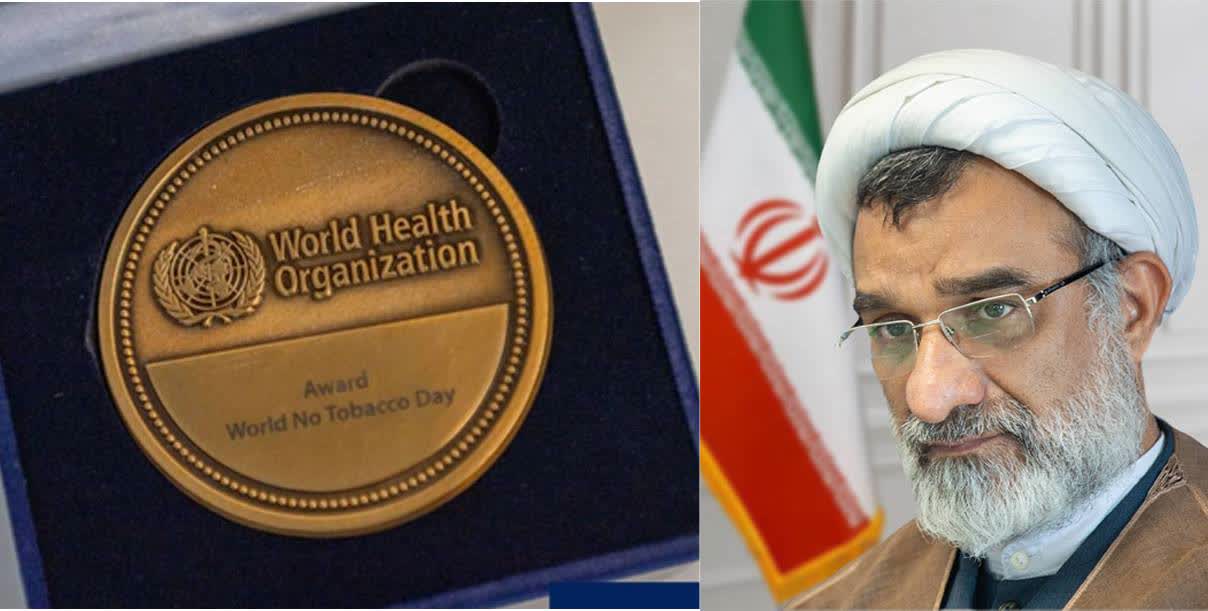
The World Health Organization (WHO) has awarded the 2026 Global Award to Hojjat‑ol‑Islam Dr. Abdolhossein Khosropanah, Secretary of Iran’s Supreme Council of the Cultural Revolution (SCCR), in recognition of his strategic leadership in developing national policy frameworks and advancing culturally oriented prevention of tobacco use in Iran.
According to the Public Relations Office of the Iranian Anti‑Tobacco Association, citing the Media and Communications Center of the Supreme Council of the Cultural Revolution, the WHO announced in its official report marking World No Tobacco Day 2026 that Dr. Khosropanah had been selected as the recipient of the organization’s special award for the Eastern Mediterranean Region. The award acknowledges his transformative leadership and contributions to the formulation of strategic national documents aimed at preventing social harms, particularly tobacco use.
The WHO noted that the selection of the Secretary of Iran’s Supreme Council of the Cultural Revolution reflects a strategic shift in the governance of tobacco control in Iran. Under the Council’s recent leadership, tobacco prevention has evolved from being addressed primarily as a medical or treatment‑oriented issue to becoming a priority within the country’s National Cultural Engineering Framework.
A key milestone highlighted by international evaluators is the approval and implementation of the comprehensive national policy document titled “Issues, Strategies, National Actions, and Institutional Division of Responsibilities for Cultural and Social Prevention of Tobacco Use in Iran.” Developed during Dr. Khosropanah’s tenure with an operational and transformative policy approach, the document established—for the first time—a coordinated framework among cultural, educational, and executive institutions.
In its statement, the WHO emphasized Dr. Khosropanah’s role in advancing several key policy achievements:
- Institutional division of responsibilities: assigning clearly defined duties to the Ministries of Education; Science, Research and Technology; Culture and Islamic Guidance; and the national broadcasting organization (IRIB) in safeguarding younger generations.
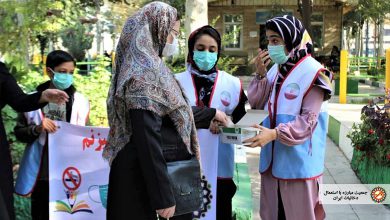
- Cultural prevention strategies: shifting the focus of tobacco control toward educational and developmental environments to counteract the misleading appeal of emerging tobacco products, including electronic cigarettes.
- Policy monitoring and oversight: strengthening monitoring and evaluation mechanisms for council resolutions related to social health, which has contributed to reducing indirect tobacco promotion within cultural and media products.
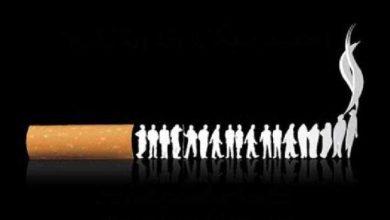
The WHO theme for 2026, “Unmasking the Appeal: Exposing the Tactics of the Tobacco and Nicotine Industry,” underscores global efforts to reveal the strategies used by the tobacco industry to attract consumers, particularly youth. The selection of Dr. Khosropanah by the WHO reflects international recognition of Iran’s efforts to identify and counter these tactics and to address the industry’s “manufactured cultural appeal” through comprehensive policy measures adopted by the Supreme Council of the Cultural Revolution.
Alongside Dr. Khosropanah, Dr. Behzad Valizadeh was also recognized as one of the notable contributors to tobacco control efforts in this field.
This international recognition—resulting from strategic policy development and sustained follow‑up by the Secretariat of the Supreme Council of the Cultural Revolution in recent years—has further strengthened the position of the Islamic Republic of Iran in the field of global health diplomacy and the cultural governance of social harm prevention.