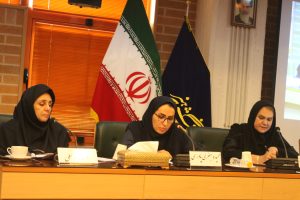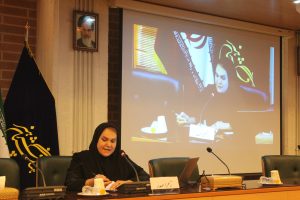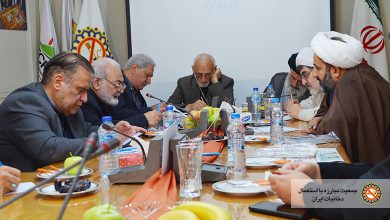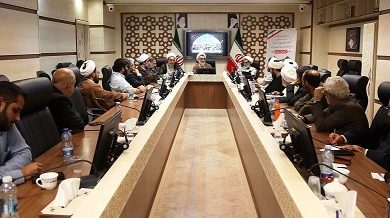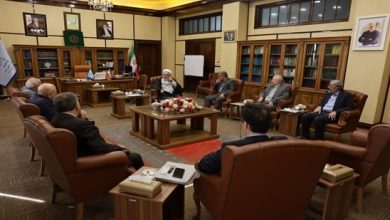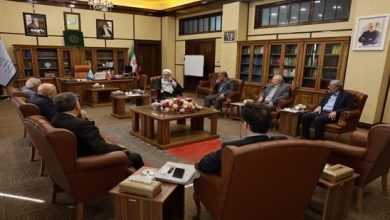
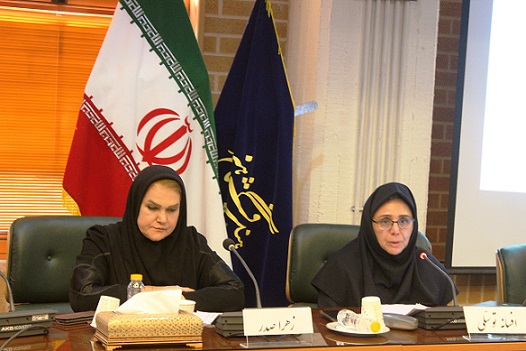
The 28th session of the “Audience Rights” seminar series, focusing on the portrayal of tobacco use in home entertainment productions, was held on Sunday, 25 Aban 1404, at the Iranian Academy of Arts.
According to the Public Relations Office of the Iranian Anti-Tobacco Association, the session opened with remarks by Hamideh Jafari, the session moderator, who highlighted the two-year history of this seminar series. She noted that the growing volume of media productions and the ease of access to such content have contributed to the normalization of tobacco use in visual media, potentially increasing the inclination toward consumption among vulnerable populations—particularly adolescents.
She emphasized that critical analysis of media content and sensitizing regulatory bodies can help underscore the role of media and the social responsibility of producers. She added that integrating audience health and moral rights into artistic productions plays a significant role in promoting social well-being.
Activity Report and Health Warnings
In the next presentation, Zahra Sadr, member of the Research Council and Director of the Women’s Division of the Iranian Anti-Tobacco Association, provided precise statistics on the rapid rise and decreasing age of tobacco consumption, as well as the harms associated with secondhand smoke. She further addressed the social and familial consequences of tobacco use.
Sadr identified several key areas of action necessary for safeguarding youth and community health, including: analyzing psychological and social drivers of consumption, promoting healthy behavioral alternatives, improving leisure-time management in schools and universities, and reducing social and familial pressures.
She also referenced the history of the Association, noting that the Iranian Anti-Tobacco Association was founded in 1983 with the participation of university professors and various community groups. In recent years, the Association has expanded its educational, research, cultural, and policy-oriented activities through national programs, policy packages, research initiatives, and public awareness campaigns.
Media as a Producer of Meaning and Lifestyle
In another part of the session, Dr. Afsaneh Tavasoli, Associate Professor of Sociology at Alzahra University, discussed findings from her research. She emphasized that the growing significance of tobacco use stems from its gradual integration into the lifestyles of children and adolescents.
Dr. Tavasoli described the media as the “fourth pillar of democracy,” stating that media do not merely reflect reality—they construct and shape it.
Research Findings and Warnings on Current Production Trends
Presenting the results of two studies analyzing the portrayal of tobacco use in selected Iranian and non-Iranian productions, she noted that the patterns of smoking behavior, boundary-pushing content, and the timing and sequencing of smoking-related scenes indicate the emergence of a concerning trend toward normalizing tobacco use.
According to Tavasoli, limited media and health literacy, disregard for professional ethics in visual productions, and gaps in regulatory oversight have accelerated this trend.
The Law Exists, but Enforcement Does Not
Referring to international examples of successful tobacco control in media, Tavasoli added:
“In Iran, clear legislation regarding tobacco control does exist; however, the absence of enforcement mechanisms has allowed the depiction of tobacco use in media productions to move from the margins to the mainstream. This should be treated as a serious warning for policymakers and regulatory authorities.”