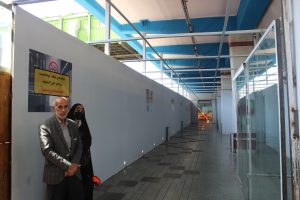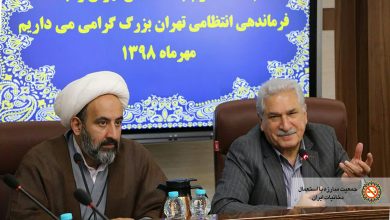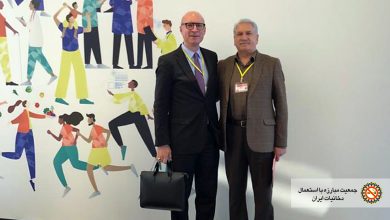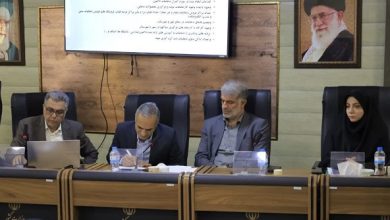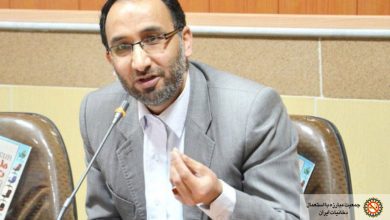
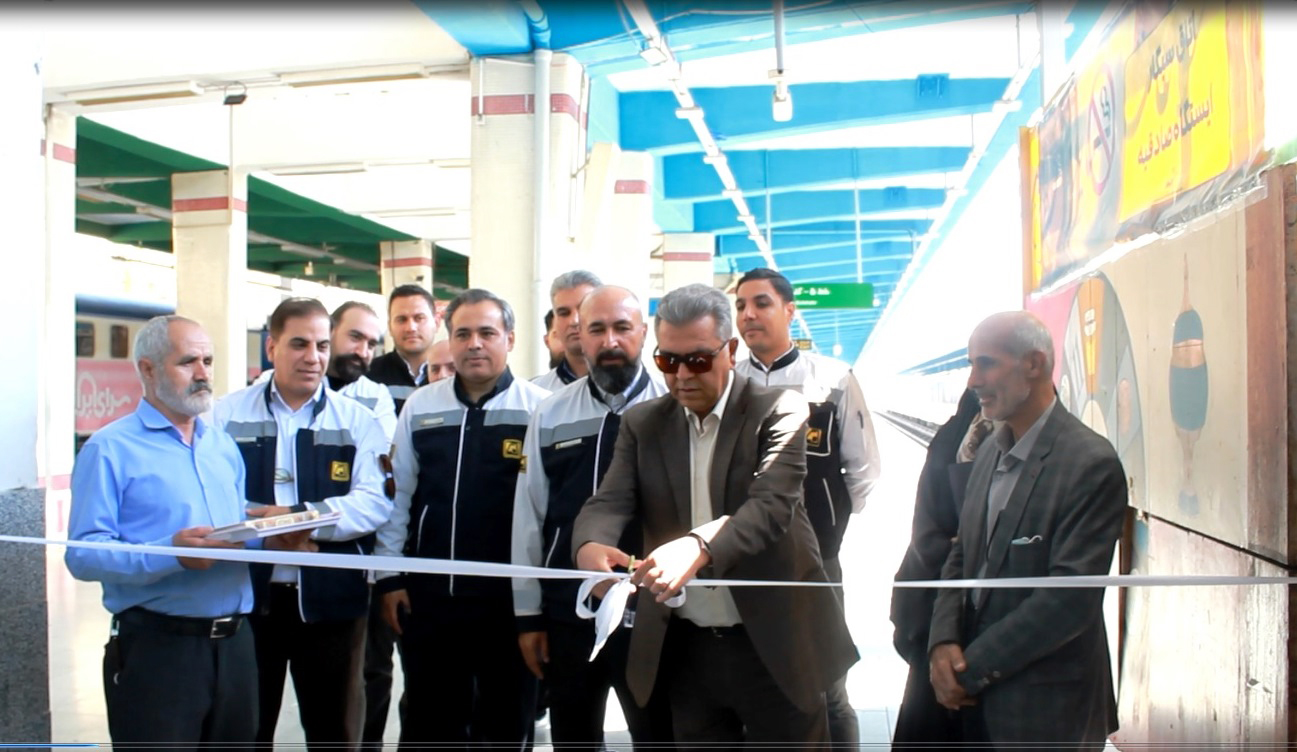
Tehran, Iran — On Sunday, September 21, 2025, the Iranian Anti-Smoking Association (IASA) and the Tehran Metro Management (Line 5) formally inaugurated a new Designated Smoking Area (DSA) at the Sadeghieh Metro Station. The ceremony was attended by senior Metro officials, including Mr. Dawood Abdollahzadeh (Line 5 Manager), and representatives from IASA, including Dr. Sharif Turkman-Nejad (Scientific Advisor), Mr. Ali Ata Taheri (Executive Director), and members of the IASA Cessation Counseling team.
Strategic Objectives: Harm Reduction and Public Health
The establishment of this designated area is a continuation of the ongoing partnership between IASA and the Tehran Metro Authority. The primary objective is to minimize public exposure to secondhand smoke in high-traffic transit areas while providing an accessible entry point for tobacco cessation services.
This project follows a series of high-level planning sessions aimed at developing a comprehensive framework for tobacco control, public awareness, and evidence-based assessment of tobacco consumption patterns within the metro environment.
Infrastructure and Environmental Management
To ensure a structured approach to tobacco management, the new facility is equipped with:
- Educational Signage: Health warnings and educational materials have been prominently displayed within the area to discourage tobacco use and promote smoking cessation.
- Waste Management: Dedicated receptacles have been installed specifically for cigarette butt disposal, addressing critical environmental concerns regarding litter in transit hubs.
Promoting Cessation Services
A key focus of this initiative is to leverage the high footfall of the metro station as an opportunity for intervention. Information regarding IASA’s Free Smoking Cessation Counseling Clinic and the “Arman-e Rahesh” Virtual Cessation Center was provided to commuters. These resources are now actively being promoted to assist individuals seeking support to quit tobacco.
IASA remains committed to expanding its strategic partnerships with urban transport authorities, viewing these collaborations as essential for raising public awareness, preventing tobacco initiation, and offering support to those aiming to reclaim their health.