On the occasion of the 2026 National Tuberculosis Day commemoration, Dr. Mohammad-Reza Masjedi, Secretary-General of the Iranian Anti-Tobacco Association and a member of the National Tuberculosis Technical Committee, highlighted the association between tobacco use and tuberculosis (TB). He emphasized the need to strengthen synergies between TB control and tobacco control programs, integrate tobacco cessation services into TB-related care, and enhance intersectoral collaboration. He also proposed leveraging the capacity of the Islamic Development Bank to support TB-related projects.
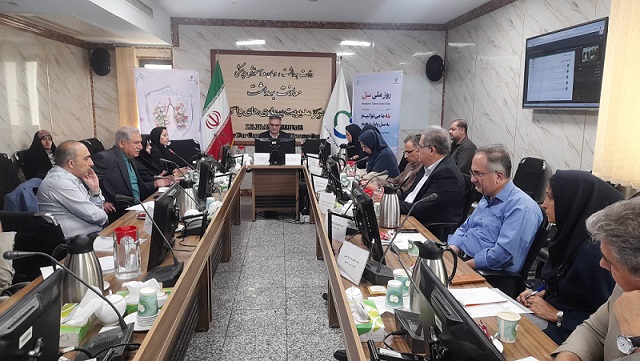
According to the Public Relations Office of the Iranian Anti-Tobacco Association, the 2026 National Tuberculosis Day conference was held on Sunday, 19 October, at the Center for Communicable Disease Control of the Ministry of Health and Medical Education. The event brought together health officials and specialists to discuss various aspects of TB and strategies for its prevention and control.
At the beginning of the conference, Dr. Shahin Akhondzadeh, Deputy Minister of Health for Research and Technology, addressed the role of research and innovation in TB control. Dr. Ghodrat Moradi, Head of the Center for Communicable Disease Control, subsequently presented an overview of the latest TB situation globally, regionally, and in Iran. A message from Dr. Seyed Hassan Emami Razavi, Advisor to the Minister of Health and Head of the Secretariat of the Supreme Council for Health and Food Security, was also delivered, focusing on the role of addressing social harms and promoting social health in reducing TB incidence.
During his presentation, entitled “Tuberculosis and Tobacco: Linking Health Policies with TB Control Objectives,” Dr. Masjedi stressed the importance of addressing risk factors alongside prevention and treatment.
He stated that tobacco control and TB control should not be treated as separate public health agendas. Rather, integrating these two areas offers a valuable opportunity to strengthen prevention efforts and improve treatment outcomes.
Tobacco Use: A Modifiable Risk Factor for Tuberculosis
Referring to global TB statistics for 2024, Dr. Masjedi noted that approximately 10.7 million people developed TB worldwide that year, while 1.23 million people died from the disease.
He emphasized that scientific advances alone are insufficient to end TB. Prevention, case detection, directly observed treatment, and equitable access to healthcare services remain essential components of effective TB control.
Highlighting tobacco use as a modifiable risk factor, Dr. Masjedi explained that tobacco consumption is associated with an increased risk of developing TB and may contribute to adverse treatment outcomes. According to the figures cited in his presentation, approximately 700,000 TB cases worldwide in 2024 were attributable to cigarette smoking. This burden underscores the importance of incorporating tobacco control into comprehensive TB prevention and treatment strategies.
He further noted that TB control must extend beyond diagnosis and treatment to address the broader determinants of health. Improving nutritional status, reducing poverty and inequalities in access to healthcare, raising public awareness, and prioritizing vulnerable populations are all essential to achieving sustainable progress.
Healthcare Encounters as Opportunities for Tobacco Cessation
As a member of the National Tuberculosis Technical Committee, Dr. Masjedi emphasized that every patient interaction with the healthcare system represents an opportunity for prevention and tobacco cessation support.
He explained that identifying patients’ tobacco-use status, providing clear cessation advice, referring individuals to specialized cessation services when necessary, and promoting smoke-free environments, including within the home, should be integral to care throughout the continuum from prevention to treatment.
Integrating these measures into routine healthcare services can help address a major modifiable risk factor while supporting more comprehensive patient care.
Five Policy Priorities for Integrating TB Control and Tobacco Control
Dr. Masjedi outlined five policy priorities to strengthen coordination between TB control and tobacco control programs:
- Integrating tobacco cessation interventions into TB-related healthcare services.
- Implementing comprehensive tobacco control policies.
- Prioritizing vulnerable populations and advancing health equity.
- Strengthening data collection, monitoring, and evaluation of intervention outcomes.
- Enhancing intersectoral collaboration and shared accountability.
Emphasizing health equity, Dr. Masjedi identified equitable access to TB diagnosis and treatment, together with access to tobacco cessation services, as essential requirements for effective public health interventions. He also highlighted the importance of addressing the socioeconomic barriers faced by patients, preserving the dignity of people affected by TB, and ensuring that they receive effective and appropriate care.
Strengthening Surveillance, Data Collection, and Evaluation
Dr. Masjedi further stressed that continuous monitoring and evaluation are essential for effective policymaking in TB control.
He called for the collection of reliable data on tobacco use among people with TB, particularly in cases involving recurrent disease, drug resistance, and death. Assessing patients’ access to tobacco cessation services and evaluating the outcomes of interventions, he noted, can support evidence-informed decision-making and enable health authorities to refine existing programs.
Integrating tobacco-use information into TB surveillance and evaluating the effectiveness of cessation interventions can also help identify gaps in service delivery and guide the allocation of public health resources.
Proposal to Leverage Islamic Development Bank Support for TB Projects
Addressing the need for stronger financial resources and intersectoral partnerships, Dr. Masjedi proposed utilizing the capacity of the Islamic Development Bank to support projects related to TB.
In his concluding remarks, he emphasized that sustainable progress in TB control requires coordinated preventive measures, reductions in modifiable risk factors, the removal of barriers to healthcare access, and the translation of intersectoral collaboration into practical, measurable actions.
Integrating TB control and tobacco control strategies can therefore contribute to more effective prevention, more comprehensive patient care, and more robust evaluation of interventions aimed at controlling the disease.
The conference was also attended by Farideh Khodadadi, Public Relations Expert, and Fatemeh Azim-Beig, Expert at the Tobacco Control Research Center, both representing the Iranian Anti-Tobacco Association.