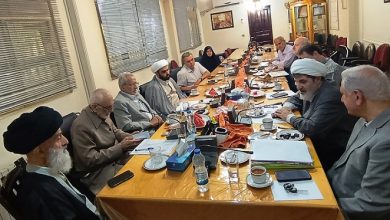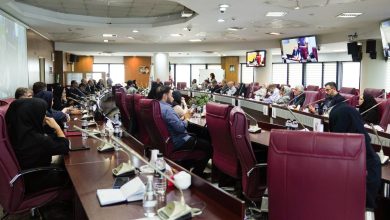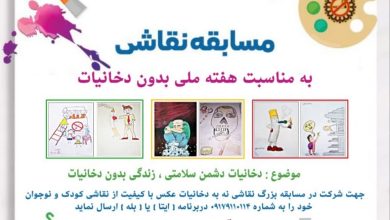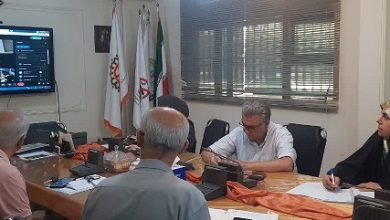
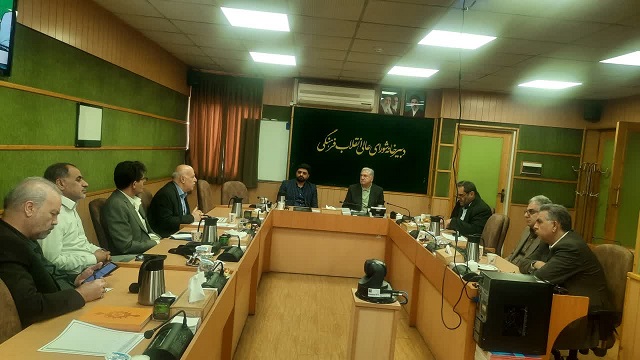
Tehran, Iran — On Saturday, October 3, 2026, a strategic high-level session was convened at the Secretariat of the Supreme Council of the Cultural Revolution to evaluate the operational roadmap for the “National Cultural and Social Policy on Tobacco Prevention.”
The meeting brought together key stakeholders from the Supreme Council of the Cultural Revolution, the Ministry of Health, the Office of the Prosecutor General, and the Iranian Anti-Smoking Association (IASA). This assembly aimed to solidify the governance framework, institutional coordination, and national action plans required to mitigate tobacco consumption across the country.
Governance and Oversight
Dr. Ebrahim Shokrani, Secretary of the Cultural and Social Governance and Oversight Headquarters at the Supreme Council, outlined the progress of the five core policy pillars. He emphasized the mandate of the Supreme Council to exercise rigorous oversight, policy development, and indicator-based evaluation to ensure all executive agencies fulfill their statutory responsibilities in tobacco prevention.
Institutional Framework and Operational Roadmap
Based on the session’s deliberations, the following strategic decisions were ratified:
- Specialized Taskforces: Dedicated working groups will be established for each of the five policy pillars to formulate granular, time-bound operational programs.
- Institutional Coordination: The Secretariat of the National Tobacco Control Headquarters (Ministry of Health) is designated as the primary authority responsible for leading and tracking the execution of these initiatives.
- The “Think Tank” Model: The “Tobacco Control Desk,” chaired by Dr. Mohammad Reza Masjedi (Secretary-General of IASA), will function as the primary intellectual hub and liaison between the Supreme Council and the National Tobacco Control Headquarters. This desk is tasked with synthesizing expert perspectives to refine national policy.
- Digital Engagement: To foster continuous collaboration, a virtual “Board of Thinkers” (Hey’at-e Andisheh-varz) will be established to maintain ongoing intellectual exchange among policymakers and public health experts.
Strategic Collaboration
Participants, including senior officials from the Ministry of Health’s Environmental and Occupational Health Center, the Prosecutor General’s Office, and leading medical experts from Tehran and Zanjan Universities of Medical Sciences, underscored the necessity of a cohesive, whole-of-government approach. The commitment was made to rotate subsequent plenary sessions between the Supreme Council Secretariat, the Ministry of Health, and IASA headquarters to ensure high-level alignment.
This meeting signifies a paradigm shift toward more aggressive, evidence-based, and institutionally integrated tobacco control policies in Iran, transitioning from isolated efforts to a comprehensive, centrally monitored national framework.