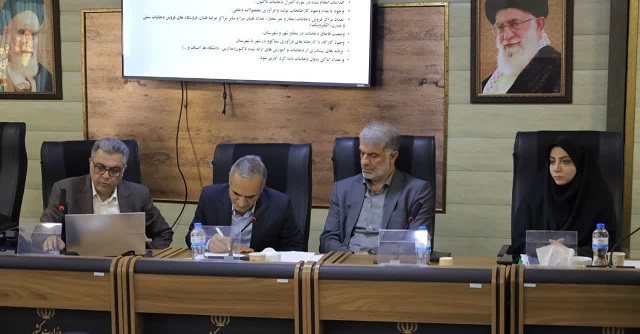
Robat Karim, Iran — The Governor of Robat Karim County has underscored the urgency of the operational implementation of the “Smoke-Free City” initiative, demanding the assignment of clearly delineated missions to all county agencies along with systematic performance evaluations. The meeting also reviewed the initiative’s implementation protocol and the county’s existing preventive capacities.
Meeting Overview
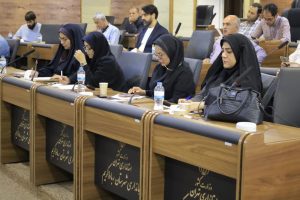
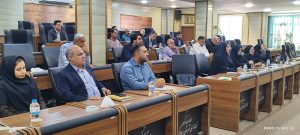
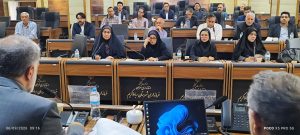
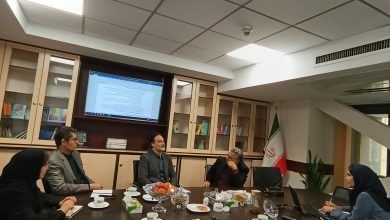
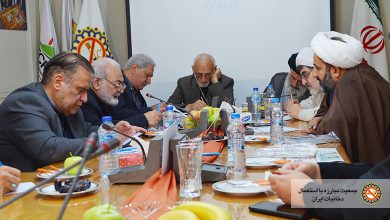
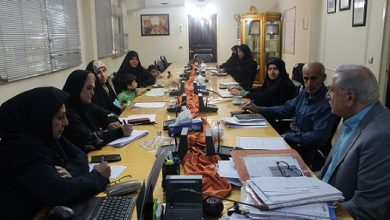
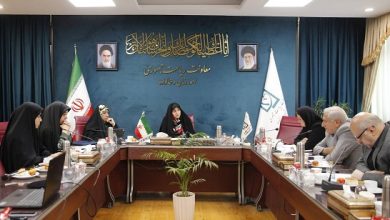
The Social Council of Robat Karim County convened on Sunday, September 15, 2025 (15 Shahrivar 1405), with a focused agenda on the “Smoke-Free City” implementation protocol. The session aimed to strengthen preventive and social measures in tobacco control at the local level.
The meeting was chaired by Mr. Reza Agha-Ali-Khani, Governor of Robat Karim, and attended by:
- Dr. Sharif Turkman-Nejad, Scientific Advisor to the Iranian Anti-Smoking Association (IASA)
- Mr. Mazaher Ashouri, Deputy Governor for Political and Security Affairs
- Ms. Ladan Akbari, Head of the Central District
- Ms. Fatemeh Soleimani, Executive Director of the “PAD” Program in Robat Karim
- A group of county officials and administrators
The Governor’s Address: A Call for Integrated Action
Governor Agha-Ali-Khani expressed concern over the declining age of tobacco use initiation, describing the normalization of cigarette and hookah consumption in some family and public settings as deeply alarming. He stressed the need for strengthened preventive measures across the county.
Addressing institutional inertia, the Governor stated: “Tobacco control sometimes becomes marginalized among the multiplicity of agencies’ mandates. Investment in prevention and education today prevents the imposition of heavy therapeutic costs and social burdens in the future.”
He further emphasized the necessity of task division and inter-agency coordination:
“The Health and Treatment Network and the Governorate’s Secretariat must define specific, actionable, and time-bound missions for each institution, based on a review of their respective capacities. Performance evaluations should be conducted in the next session based on written reports.”
Leveraging Municipal and Cultural Capacities
Governor Agha-Ali-Khani requested the active engagement of the cultural deputy branches of the municipalities of Robat Karim, Parand, and Nasir Shahr in tobacco control efforts. He highlighted the potential of municipal cultural programs and the “Healthy City” initiative (برنامه شهر سالم) as frameworks for targeted interventions.
Modernizing Awareness Strategies
Emphasizing the need to overhaul conventional communication methods, the Governor asserted:
“Cliched messages alone do not yield the necessary impact. We must harness the power of art, animation, visual content, and credible medical statistics to convey preventive messaging effectively.”
Community-Based Prevention Resources
The Governor identified educational institutions, mosques, media outlets, and neighborhoods as critical pillars of preventive strategy. He emphasized continuous student education and leveraging students as conduits to transmit health messages to their families.
Socio-Demographic Considerations (Structural Analysis)
Addressing the declining age of tobacco initiation and other social harms, the Governor called for an expert-led analysis of the driving factors behind these trends. He highlighted population migration patterns and demographic shifts as key variables that must be incorporated into the county’s social and preventive analysis.
Scientific Perspectives from the IASA
Dr. Sharif Turkman-Nejad, Scientific Advisor to the Iranian Anti-Smoking Association, presented epidemiological data on global and national tobacco use and mortality. His analysis examined the determinants of declining initiation age among adolescents and the rising prevalence among women.
Dr. Turkman-Nejad reinforced that tobacco is among the most critical modifiable risk factors for non-communicable diseases (NCDs), positioning tobacco prevention and control as one of the most effective strategies for reducing the overall disease burden.
He subsequently provided a step-by-step explanation of the “Smoke-Free City” implementation protocol, emphasizing that the initiative’s success depends on the full participation and cooperation of all county agencies.
PAD Program: A Foundational Educational Vehicle
Ms. Fatemeh Soleimani, Executive Director of the PAD Program in Robat Karim, presented a report on the program’s educational activities within county schools. She emphasized that student education constitutes one of the Association’s key initiatives in Robat Karim and represents a foundational step for the broader “Smoke-Free City” rollout.
“By expanding preventive education from schools to the level of neighborhoods and the wider city, we can broaden the scope of cultural awareness regarding the consequences of tobacco use,” she concluded.