Highlighting the Role of Tobacco Use in the Development of Various Cancers and the Importance of Prevention at an Educational Workshop at Tehran University of Art
Two-Day Workshop on “Self-Care for Cancer Prevention and Control” Focuses on Risk Factors, Prevention Strategies, and Early Detection

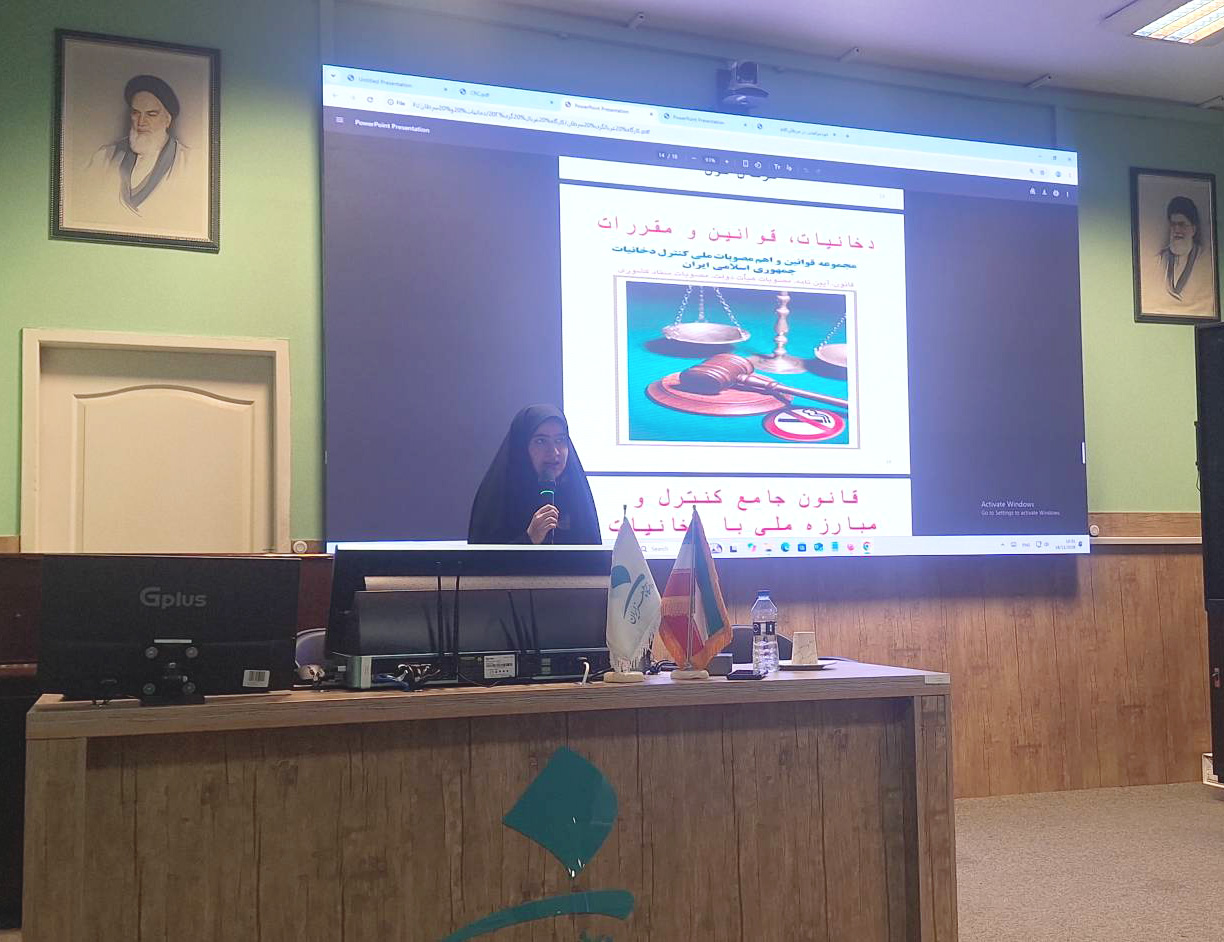
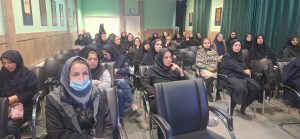
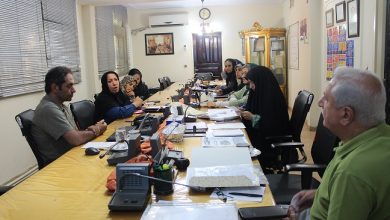
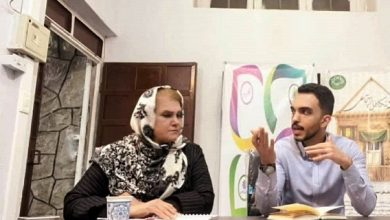
An educational session entitled “Smoking and Tobacco Use and Their Impact on the Development of Various Cancers” was delivered by Fatemeh Azim-Big, an expert at the Tobacco Control Research Center of the Iranian Anti-Tobacco Association (IATA), on the second day of a two-day educational workshop entitled “Self-Care for Cancer Prevention and Control,” held for the staff of Tehran University of Art.
According to the Public Relations Office of IATA, the two-day workshop took place on November 17–18, 2026, with the aim of raising awareness among university staff about cancer risk factors, prevention strategies, healthy lifestyle practices, and the importance of early detection.
On Wednesday, November 18, Fatemeh Azim-Big, an expert at IATA’s Tobacco Control Research Center, delivered a presentation from 10:30 to 11:00 a.m. entitled “The Association Between Tobacco Use and Cancer.” Her presentation addressed the various health consequences of tobacco use and its role in the development of different types of cancer.
She highlighted tobacco use as one of the leading preventable risk factors for non-communicable diseases (NCDs). According to the statistics presented, tobacco use causes approximately 8.6 million deaths worldwide each year and is associated with an increased risk of developing 18 to 20 types of cancer, including cancers of the lung, oral cavity, pharynx, larynx, oesophagus, stomach, pancreas, bladder, and kidney.
Referring to annual cancer incidence figures in Iran, she emphasized that controlling tobacco use could prevent a substantial proportion of cancer cases. She also discussed the harmful effects of tobacco on cardiovascular health, the respiratory system, reproductive health, and other body organs, as well as its broader socioeconomic consequences.
Another key focus of the presentation was the importance of expanding public awareness and educational initiatives, implementing the PAD Programme (Prevention of Tobacco Use in Schools), strengthening tobacco prevention education in schools and local communities, and encouraging cross-sectoral collaboration to achieve the goal of a “Tobacco-Free Generation.”
Topics Covered During the Two-Day Workshop
On the first day, speakers addressed various aspects of cancer awareness and prevention:
- Bijan Moghimi: What Is Cancer? Cancer Prevalence in Iran and Worldwide.
- Azadeh Safaei: Ten Principles of Cancer Prevention and Common Misconceptions About the Disease.
- Sahar Esmaeili: Healthy Nutrition for Cancer Prevention and Weight Management.
- Parivash Shiri: Psychological and Spiritual Factors Influencing Cancer.
- Fatemeh Ghorbani: The Role of Physical Activity in Cancer Development.
- Dr. Hura Astaneh: Breast Cancer and Cervical Cancer.
On the second day, discussions focused on environmental risk factors, infections, cancer screening, and early detection, with the following presentations:
- Dr. Nahid Pourmohammadjan: Effective Measures for Skin Cancer Prevention and the Role of Viral and Bacterial Infections in Cancer Development.
- Maliheh Akbari: General Principles and Methods of Early Detection and Screening; Overview of Cancer Screening Methods; The Role of Family History; and National Cancer Screening and Early Detection Programmes.
- Alireza Hariri: Environmental Factors Affecting Health.
- Fatemeh Azim-Big: Smoking and Tobacco Use and Their Impact on the Development of Various Cancers.
- Bijan Moghimi: Colorectal Cancer.
The workshop was organized with the aim of enhancing health literacy and promoting a culture of self-care. It highlighted the importance of adopting healthier lifestyles, avoiding preventable risk factors—particularly tobacco use—and making effective use of screening and early detection strategies to prevent and control cancer.