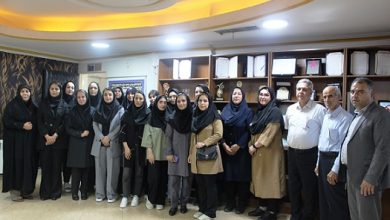
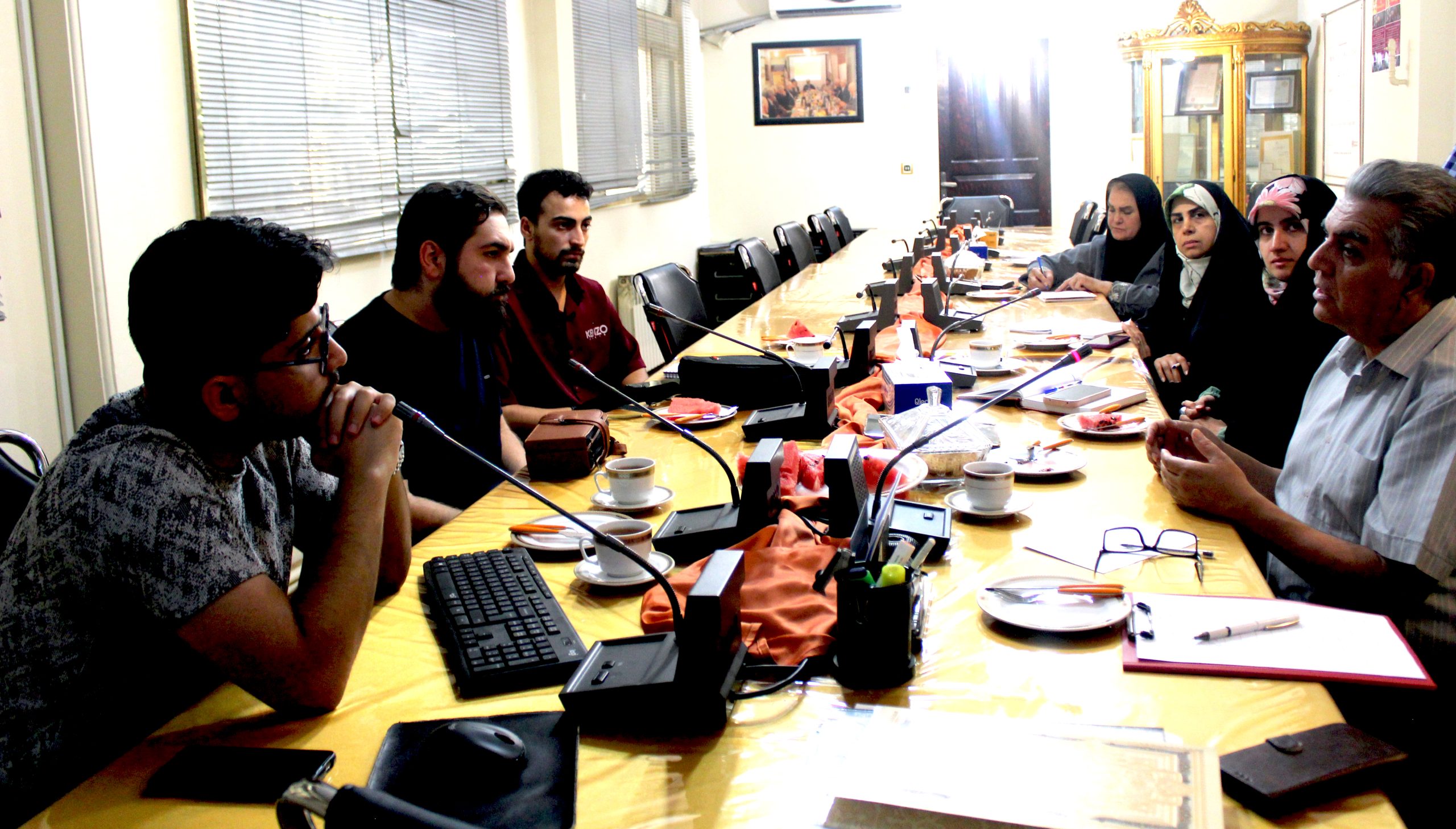
Tehran, Iran — A consultative meeting to introduce and evaluate the capabilities of the “Nicaf” digital platform for smoking cessation was held on Tuesday, September 10, 2025 (17 Shahrivar 1405). The session brought together the Association’s Scientific Advisor, the platform’s developers, and various experts to deliberate on Nicaf’s potential, its developmental trajectory, and the methodologies for impact assessment.
Meeting Participants
The meeting was attended by:
- Dr. Sharif Turkman-Nejad, Scientific Advisor to the Association
- Dr. Pezeshki and Dr. Tabashiri (medical students and founders of the Nicaf platform)
- Dr. Jozai, fellow platform developer
- Dr. Ali-Gol, Founder of the “Arman-e Rahsh” Telephone-Based Cessation Clinic and Executive Director of the Association’s Qom branch
- Dr. Hassami, Physician at the Association’s Smoking Cessation Clinic
- Ms. Zahra Sadr, Director of the Women’s Unit
- Ms. Fatemeh Azim-Beyg, Expert at the Tobacco Control Research Center
- Ms. Mahdieh Mohammadi, Head of the Free Smoking Cessation Counseling Clinic
- Ms. Farideh Khodadadi, Public Relations Officer
Platform Development and Redesign
Dr. Pezeshki provided a progress report on the completion, revision, and redesign phases of the Nicaf platform, expressing gratitude for the Association’s sustained collaboration. The development team emphasized their ongoing commitment to refining the platform’s features.
Dr. Tabashiri subsequently elaborated on the various modules of Nicaf and the new capabilities integrated into the redesigned version. A key advancement is the provision of direct access to physician and psychologist consultations within the cessation process, enabling a more clinically integrated user experience.
A Scientific Framework for Cessation
Dr. Turkman-Nejad underscored the necessity of an evidence-based approach to tobacco cessation. He introduced the Fagerström Test for Nicotine Dependence (FTND) as a validated instrument for assessing the degree of nicotine dependence, a critical first step in tailoring cessation interventions.
He further emphasized the integration of multiple therapeutic modalities, specifically recommending a combination of:
- Pharmacotherapy
- Behavioral Counseling
- Digital Platforms and Applications
Impact Assessment Protocol
Advocating for rigorous evaluation, Dr. Turkman-Nejad stressed the need to assess Nicaf’s effectiveness over one-year and two-year intervals, with particular attention to sustained abstinence rates. He proposed a structured pilot implementation: deploying the platform in a limited capacity, in collaboration with a specialized smoking cessation center, to evaluate its efficacy on a defined cohort of users before a full-scale national rollout.
Alignment with Global Strategies
Dr. Turkman-Nejad also elaborated on the World Health Organization’s MPOWER strategy, advocating for the coordinated implementation of all its components for effective tobacco control:
- Monitoring tobacco use and prevention policies
- Protecting people from tobacco smoke
- Offering help to quit tobacco use
- Warning about the dangers of tobacco
- Enforcing bans on advertising, promotion, and sponsorship
- Raising taxes on tobacco
Digital Marketing Strategy
Dr. Ali-Gol commended the Nicaf team’s efforts and highlighted the importance of leveraging digital marketing and Search Engine Optimization (SEO) to enhance the platform’s visibility and user acquisition. He reiterated his readiness to collaborate in this capacity.