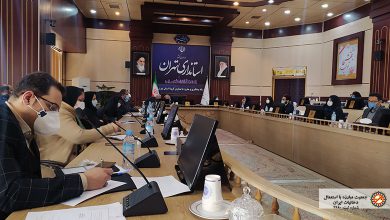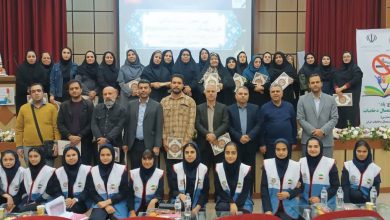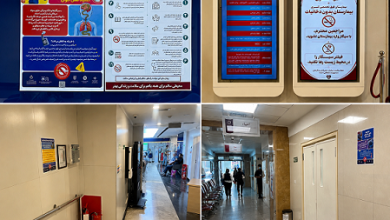

The lead coordinator for the institutional regulation of the National Tobacco Prevention Policy Package has detailed the formulation process of this comprehensive document, describing it as a successful model of preventive policymaking that has garnered recognition from the World Health Organization (WHO).
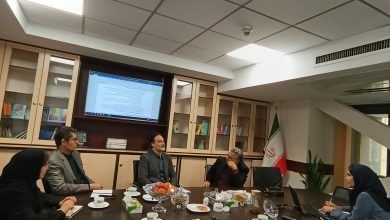
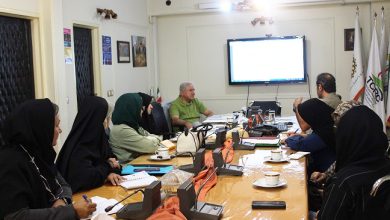
In an interview reported by the Public Relations Office of the Anti-Tobacco Association (citing ISNA), Omid Abdollahi, the official responsible for steering and regulating the policy package, remarked on the selection of the Secretary of the Supreme Council of the Cultural Revolution as one of six international laureates by the WHO. He emphasized that the policy package for the cultural and social prevention of tobacco use was developed over a span of two years. This process involved over 35 meetings of the “Think Tank” board and specialized sessions with representatives from relevant government agencies, culminating in the formal written endorsement of all participating institutions.
Abdollahi noted that the package, developed in collaboration with the Anti-Tobacco Association and pursued under the leadership of its Secretary-General, Dr. Mohammad Reza Masjedi, was officially promulgated by the President following all legal requirements. The policy is specifically designed to address existing gaps in prevention efforts by focusing on the cultural and social ecosystem.
“This document is not merely advisory; it includes executive attachments and defined monitoring indicators,” Abdollahi stated. He further explained that the policies encompass key areas, including adolescents and students, university populations, media and cyberspace, and the control of second-hand smoke in public places. This structured, multi-dimensional approach is precisely why the experience has been lauded by the WHO as a successful case study within the Eastern Mediterranean Region.
Highlighting the pivotal role of the Supreme Council of the Cultural Revolution in cross-agency coordination, the official emphasized that social issues are inherently complex and multifaceted. Achieving objectives in this domain requires synergy across various institutions. “The experience of developing this tobacco prevention policy package demonstrates that through national consensus and the division of labor, effective results in social health can be achieved,” he added.
Regarding the stance of Dr. Khosropanah, Secretary of the Supreme Council of the Cultural Revolution, against the influence of the tobacco industry, Abdollahi remarked that the WHO’s recognition of him is not simply an individual accolade. Rather, it serves as a testament to the capacity of domestic institutions to transform social concerns into effective national and international policies.
Abdollahi concluded by expressing hope that the continued implementation and rigorous monitoring of these preventive policies will create a sustainable path toward reducing social harms and enhancing the health of future generations.