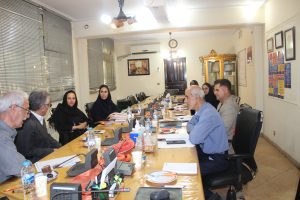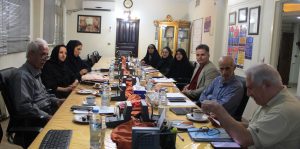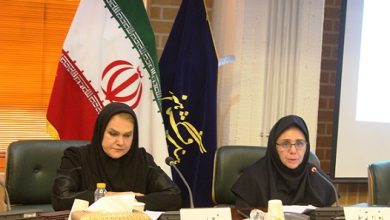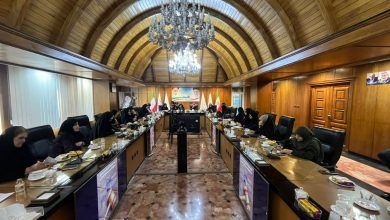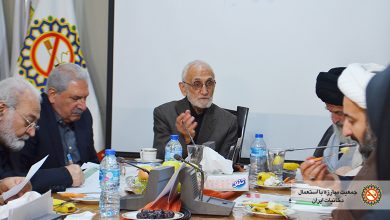
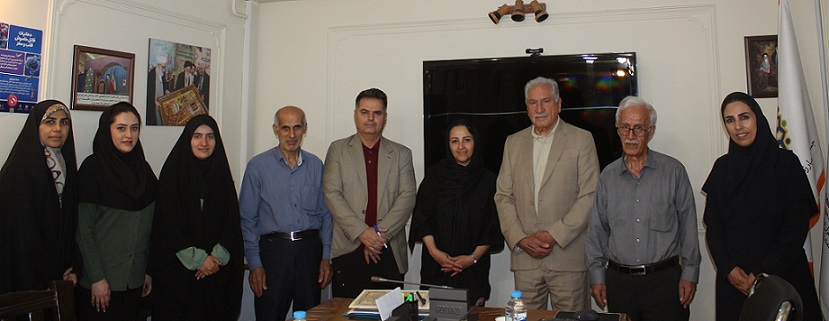
Zanjan, Iran — In a strategic consultative meeting between the leadership and members of the Mehrane Charity Foundation for Cancer Patients (Zanjan Province) and the Iranian Anti-Smoking Association (IASA), stakeholders emphasized the necessity of integrated cooperation in public health education, tobacco control, and the promotion of healthy lifestyles.
The discussions centered on expanding collaborative frameworks in preventive education and risk factor management for non-communicable diseases (NCDs). Key outcomes of the meeting included the proposal to implement the “PAD” Project in Zanjan, the integration of the Mehrane Foundation into the National Network for the Prevention of Non-Communicable Diseases, and a formal site visit to the “Nafas Pak” (Pure Breath) Center.
Strategic Synergy for Preventive Health
Dr. Mohammad Reza Masjedi, Secretary-General of the Iranian Anti-Smoking Association, commended the Mehrane Foundation, describing it as a distinguished model of non-governmental organizational excellence in Iran.
Highlighting the intersection between tobacco control and oncology, Dr. Masjedi stated: “It is imperative to leverage Mehrane’s extensive community outreach and educational capacities to enhance preventive interventions. Through synergistic efforts, we can achieve more profound impacts on public health outcomes.”
Dr. Masjedi further advocated for the localized implementation of the “PAD” initiative in Zanjan and urged the Mehrane Foundation to align its strategic goals with the National Network for the Prevention of Non-Communicable Diseases to optimize resource allocation and educational efficacy.
Mehrane Foundation’s Preventive Initiatives
Mr. Mostafa Mortazavi, Head of the Education and Prevention Committee at Mehrane, detailed the foundation’s focus on adolescent and youth demographics. In coordination with the Zanjan Provincial Department of Education, the foundation conducts life-skills training sessions for secondary school students. These programs are designed to mitigate tobacco susceptibility by providing evidence-based warnings regarding the physiological and psychological sequelae of substance abuse.
Ms. Zeinab Hajialikbari, Head of Mehrane’s Tobacco Control Task Force, noted that the foundation utilizes a multidisciplinary approach, engaging clinical psychologists and specialized experts to foster public awareness and behavioral change.
Towards a Formal Memorandum of Understanding (MoU)
Dr. Alireza Shoghli, faculty member at Zanjan University of Medical Sciences, underscored the necessity of institutionalizing this partnership. He proposed the drafting of a Memorandum of Understanding (MoU) to formalize the collaboration, ensuring that the academic, scientific, and executive capacities of both organizations are effectively synchronized to address the escalating burden of NCDs.
Mr. Siavash Khodaei, National Secretary of the National Network for the Prevention of Non-Communicable Diseases, also emphasized the pivotal role of NGOs in the national preventive health architecture, advocating for closer integration between the Network and philanthropic entities like Mehrane.
Inspection of the “Nafas Pak” Center
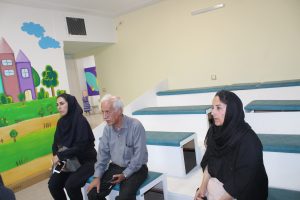
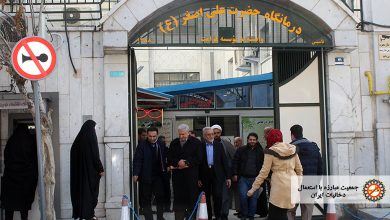
The proceedings concluded with an official inspection of the “Nafas Pak” Center. Delegates reviewed the center’s operational protocols, educational methodologies, and its ongoing programs dedicated to tobacco cessation and public awareness.